
If you are passionate, like me, about the ocean and its inhabitants, you know the challenges they face. But did you know that the oceans have several roles that are vital to our planet? Indeed, the oceans produce more than 50% of our oxygen, regulate temperature and weather conditions, store carbon and feed a large part of the world's population. It is therefore true to say that they play a key role in the fight against climate change. What can we do to protect them? Here are 8 simple things we can do to be part of the solution.

1- Collect trash in the water and on the shore
As soon as you see it, whether you're SUPing, diving or on a beach trip, collect it. Try to leave your playground cleaner than when you arrived. All over the world there are more and more clean-up initiatives! Join the movement and bring the family, there is nothing better than to make the children aware of the protection of the oceans.
2- Always bring your garbage with you on picnics or lunches in nature
Have a way to bring your leftovers back home: carry a small bucket that you can empty when you get home or a compostable bag. Ask yourself the ultimate question: are there any visible signs of my presence? If not, congratulations, you care about the environment around you.

3- Reduce your consumption of single-use plastics
For example, avoid plastic birthday balloons and favor reusable or decomposable decorations. Opt for an ice cream cone instead of a small disposable bowl with a single-use spoon.
4- Reuse and recycle your products
A product that we take the initiative to reuse or recycle is one more product that doesn't end up in the sea. Among other things, you can clean your ''Ziploc'' bags to use them again.

5- Avoid throwing cigarette butts into the environment
Cigarette filters are composed of several thousand chemicals that can kill marine and freshwater fish. There are several models of pocket ashtrays that you can take with you on your outings.
6- Respect animals and do not feed them
When doing water sports, keep your distance from wildlife. Boat propellers can be fatal to many marine creatures. Feeding wild animals can change their behavior and make them more susceptible to disease.

7- Reduce your fish consumption
Habitat loss, overfishing and pollution are causing a significant decline in the number of fish in the ocean and rivers. Encourage sustainable fishing as much as possible. Encourage the purchase of locally caught products and avoid endangered species.
8- Use sunscreen that is safe for corals
Some ingredients found in most common sunscreens, such as oxybenzone and octinoxate, are toxic to corals. They cause coral bleaching and ultimately death. Fortunately, new ''Reef-safe'' sunscreens are hitting the shelves. Find out more!
I hope these tips will inspire you to protect our oceans. Remember that there is no such thing as perfection, and that every action counts. The next time you see a piece of trash, pick it up! The worst that can happen is that someone will see you and decide to start cleaning up too.
Enjoy the jewel that is the ocean!
Blog
See more articles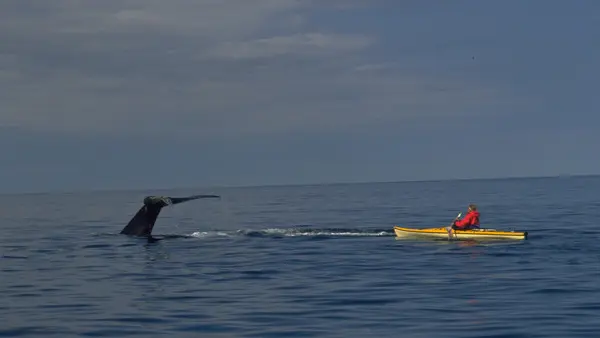



Sign up to get 10% off your first order.
A confirmation email containing your promotional code will be sent to you. If you cannot find it in your inbox, please check your spam folder.
By subscribing, you accept that we will send you emails concerning promotions, events, products and other exclusive advantages that are only available to our subscribers.