
Understanding UV-protective clothing before making a choice
When the sun is strong, sunscreen alone isn’t always enough. UV-protective clothing creates a physical barrier against UV rays and effectively complements traditional sun protection. It also covers areas that are often overlooked, such as the shoulders, neck, and forearms.
For hiking, kayaking, camping, or simply long days spent outdoors, UV-protective clothing quickly becomes an outdoor essential. Paired with a good pair of sunglasses and women’s caps and hats or men’s caps and hats, it helps reduce direct exposure to UV rays.
But how do you choose the right level of protection? Which fabrics should you prioritize? Is a UPF 30 shirt enough? Here’s a simple guide to better understand UV-protective clothing and find the options best suited to your activities.
What is the UPF rating?
| UPF | % of UV rays blocked | Level of protection |
|---|---|---|
| 30 | 96.7% | Very good |
| 40 | 97.5% | Excellent |
| 50 | 98% | Excellent |
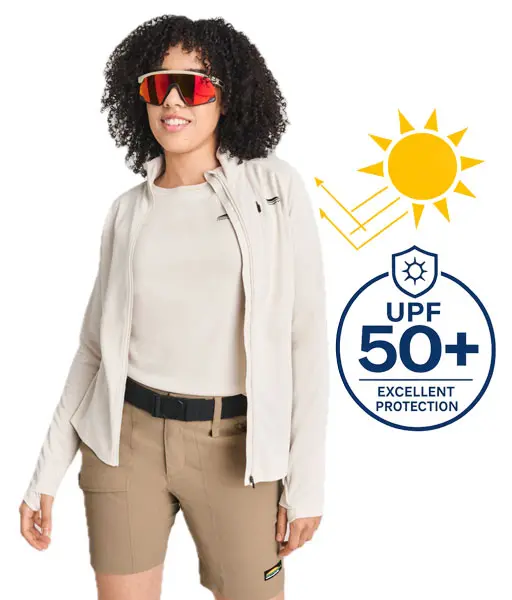
Key takeaway: the difference between UPF 40 and UPF 50+ clothing is relatively small, but in highly exposed environments such as the mountains, near water, or during long expeditions, every extra percentage can make a difference.
How to choose the right level of sun protection?
For occasional activities
A UPF 30 garment is generally well-suited for:
- City walks
- Occasional outings
- Short hikes
- Activities with frequent access to shade
For long days in the sun
A UPF 40 or 50+ garment is recommended for:
- Mountain hiking
- Kayaking or paddleboarding
- Fishing
- Extended camping trips
- Travel in very sunny regions
- Activities on water or at high altitude
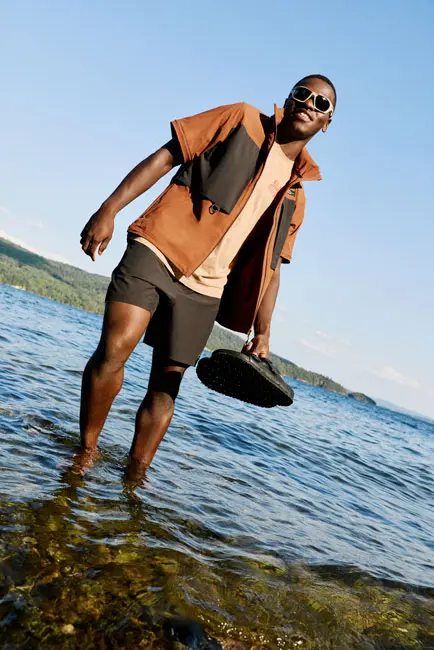
Water, sand, and rocky surfaces strongly reflect UV rays, increasing exposure even when temperatures feel comfortable.
Which fabrics should you choose for better UV protection?
UV‑protective clothing generally uses technical fibers designed to block a higher percentage of the sun’s rays.
The most effective fabrics
Synthetic fibers such as:
- polyester
- nylon
- elastane
often provide better protection than traditional cotton.
These fabrics are also valued for their:
- lightweight feel
- breathability
- quick-drying properties
- comfort during physical activities
The 4 factors that truly influence the effectiveness of UV-protective clothing
1. The color of the garment
Dark or very bright colors absorb more UV rays than light colors. A navy blue, black, or dark red shirt will often provide better protection than a very lightweight white fabric.
2. The fabric weave
A dense, tightly woven fabric allows fewer UV rays to pass through. Even without a specific treatment, a well-constructed textile offers better protection than a thin or transparent fabric.
3. The fit of the garment
A slightly loose-fitting garment offers more protection than a very tight one. When fabric is stretched, the fibers open up and allow more UV rays to pass through.
4. The condition of the garment
A very worn, stretched, or wet fabric can lose some of its effectiveness. This is particularly important for clothing used regularly for hiking, travel, or water activities.
Which UV-protective clothing should you choose based on your activity?
For hiking
Prioritize:
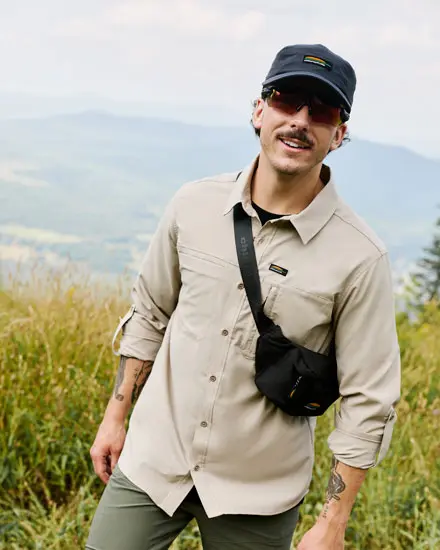
- breathable long-sleeve shirts
- lightweight pants
- integrated hoods
- stretchy and breathable fabrics
To better cover your legs during long days on the trail, the women’s hiking pants and men’s hiking pants are excellent allies. Their lightweight, breathable design helps you stay comfortable even in hot weather.
For water activities
|
For travel and everyday wear
|
Quick FAQ
Sun-protective clothing only protects the areas it covers. Exposed areas such as the face, hands, or legs still require a minimum SPF 30 sunscreen.
No. Only laboratory testing can confirm a true UPF rating.
Normal washing that follows care instructions generally does not affect the fabric’s effectiveness. Natural wear and tear remains the main factor reducing protection.
Not necessarily. Modern technical fabrics are designed to remain breathable, lightweight, and comfortable even on hot days.
Choosing the right UV-protective clothing to fully enjoy summer
Whether it’s a mountain hike, a day on the dock, a kayaking outing, or a sunny getaway, sun-protective clothing allows you to enjoy the outdoors longer and more comfortably.
A good UV-protective garment combines:
- effective protection
- breathability
- freedom of movement
- quick-drying properties
- comfort during activity
By choosing clothing suited to your level of sun exposure and your activities, you can enjoy the outdoors more while reducing the harmful effects of UV rays on your skin.


Blog
See all



Sign up to get 10% off your first order.
A confirmation email containing your promotional code will be sent to you. If you cannot find it in your inbox, please check your spam folder.
By subscribing, you accept that we will send you emails concerning promotions, events, products and other exclusive advantages that are only available to our subscribers.